 +86 15338350382


 English
 Spanish
 French
 Russian
 Italian
 German
 Japanese


 12 min readPublished Oct 14 2026
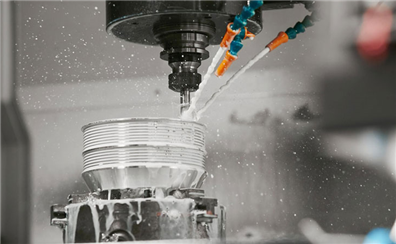
One of the most valuable characteristics of custom manufacturing is this flexibility. A customer may arrive with a complete engineering drawing, an early-stage concept, or simply a technical problem that needs to be solved. The first requirement may be one prototype for proof of concept. Later, the company may need ten or fifty parts for testing, customer evaluation, or field trials. Once the product has been validated, production could increase to hundreds or thousands of components. The quantity can change. The design can evolve. Materials can be adjusted. Manufacturing processes can be optimized as more information becomes available. Custom manufacturing allows the production strategy to evolve with the product rather than forcing the product to fit a rigid manufacturing model.
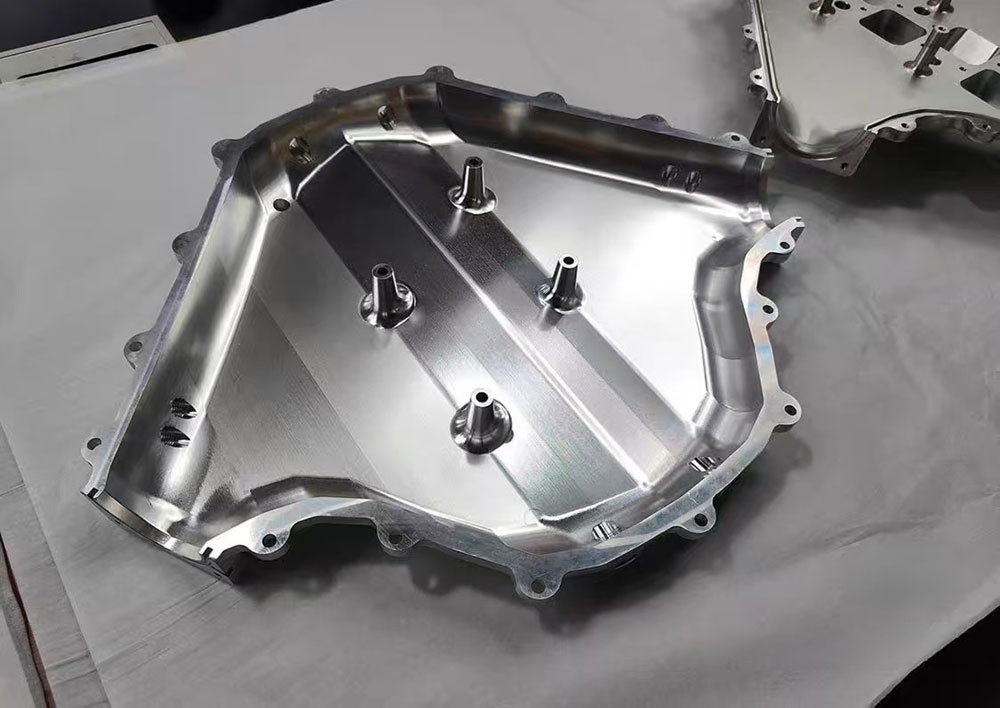
This flexibility is particularly valuable in markets where product development cycles are becoming shorter and customer expectations are changing quickly. Companies in automation, robotics, automotive, aerospace, medical devices, electronics, industrial equipment, and other advanced industries often need to develop specialized components for applications that do not have standardized solutions. Engineers may need a component with a particular geometry, a specific tolerance, a special material, or a unique interface with other parts. In these situations, the ability to manufacture according to the actual requirements of the application can become a competitive advantage.
From Concept to Physical Product
The journey from an idea to a successful product is rarely straightforward. An initial design may look excellent on a computer screen, but real-world manufacturing often reveals challenges that are difficult to predict during the earliest stages of development. A component may be difficult to hold securely during machining. A tolerance may be unnecessarily tight. A feature may require an additional setup or specialized tooling. A material may behave differently during machining than expected. A particular geometry may increase cycle time without providing meaningful performance benefits.
This is where custom manufacturing can contribute much more than simply production capacity. When manufacturing expertise is involved early, engineers can identify potential problems before they become expensive production issues. The manufacturing team can evaluate the design, understand its functional requirements, and suggest practical improvements while preserving the original design intent.
The objective is not to tell engineers how a product should be designed. It is to create a connection between engineering ambition and manufacturing reality. A good manufacturing partner understands that every dimension, tolerance, hole, radius, surface finish, and material specification exist for a reason. The responsibility is to understand those requirements and determine the most effective way to achieve them.
CNC machining is particularly powerful in this process because it allows companies to manufacture highly precise components directly from digital engineering data. CNC milling, CNC turning, and multi-axis machining can produce complex geometries without requiring the expensive dedicated tooling associated with many traditional manufacturing methods. This makes CNC machining highly suitable for prototypes, engineering samples, replacement components, customized equipment, and low-volume production.
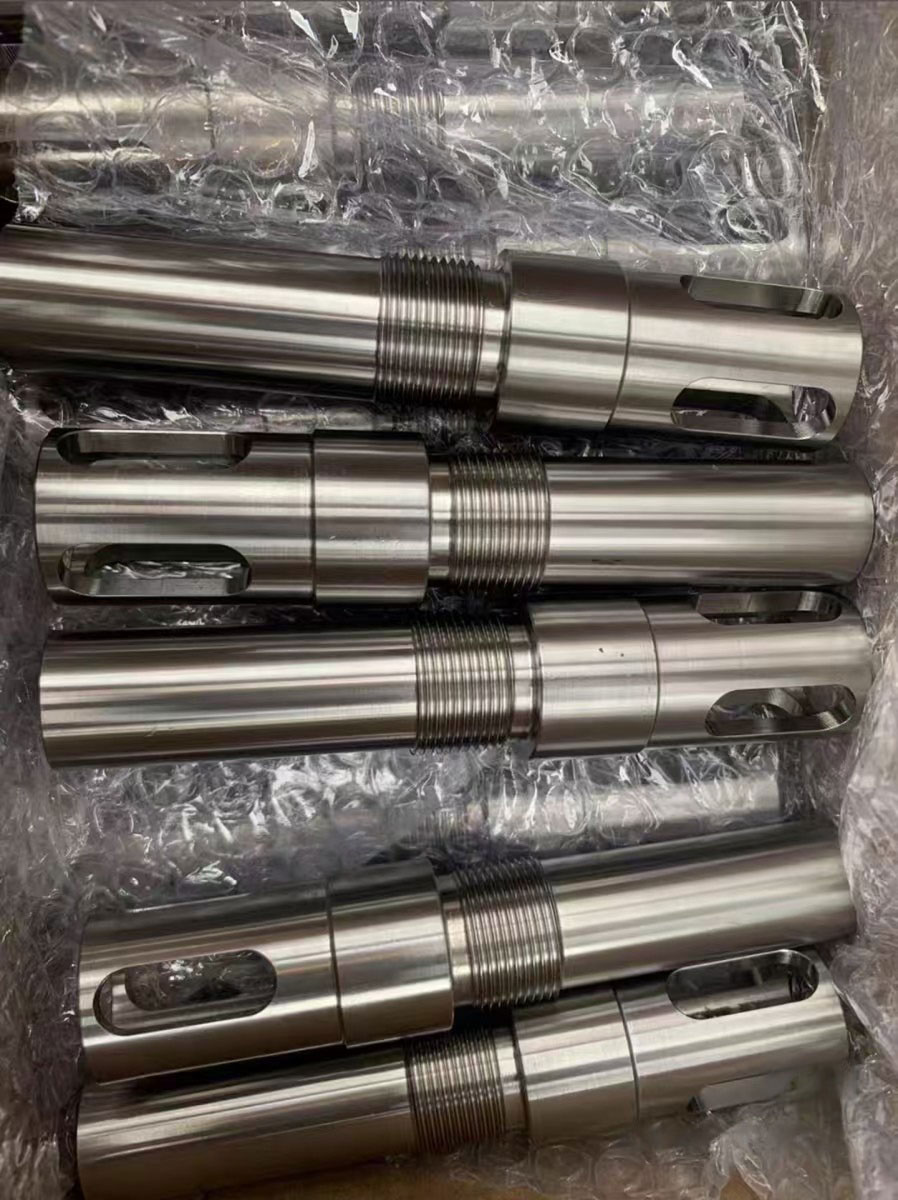
More importantly, CNC machining creates a direct connection between digital design and physical reality. Engineers can manufacture an actual component, assemble it with other parts, test it under real conditions, identify weaknesses, and then modify the design. Instead of making decisions based entirely on assumptions or simulations, teams can learn from physical products and use those findings to improve the next version.
Prototyping Creates a Faster Learning Cycle
Prototyping is not simply about producing an early version of a product. It is a process for learning. A prototype allows engineers to ask important questions that cannot always be answered through drawings alone. Does the component fit correctly? Is the assembly practical? Does the material provide the required strength? Is there enough clearance between components? Does the product behave as expected under actual operating conditions? Can technicians assemble and maintain it efficiently? Does the design need to be modified before production? The answers to these questions can significantly influence the final product.
A strong development process therefore follows a continuous cycle: design, prototype, test, analyze, improve, and prototype again. Each iteration provides new information. The objective is not necessarily to produce the perfect component on the first attempt. Instead, the objective is to reach the right solution faster by identifying problems early, learning from them, and making informed improvements.
This is one of the reasons small-batch production is so valuable. After the initial prototype has been validated, a company may not immediately need thousands of parts. It may need a limited quantity for customer trials, field testing, pilot production, or market evaluation. Producing a small batch provides a practical bridge between prototype development and full-scale production.
It also reduces unnecessary risk. Companies do not need to purchase large quantities of inventory before demand has been established. They can test the market, collect feedback, evaluate production performance, and increase manufacturing volume as confidence grows. In this sense, prototyping and small-batch manufacturing are not merely production methods. They are risk-management and innovation strategies.
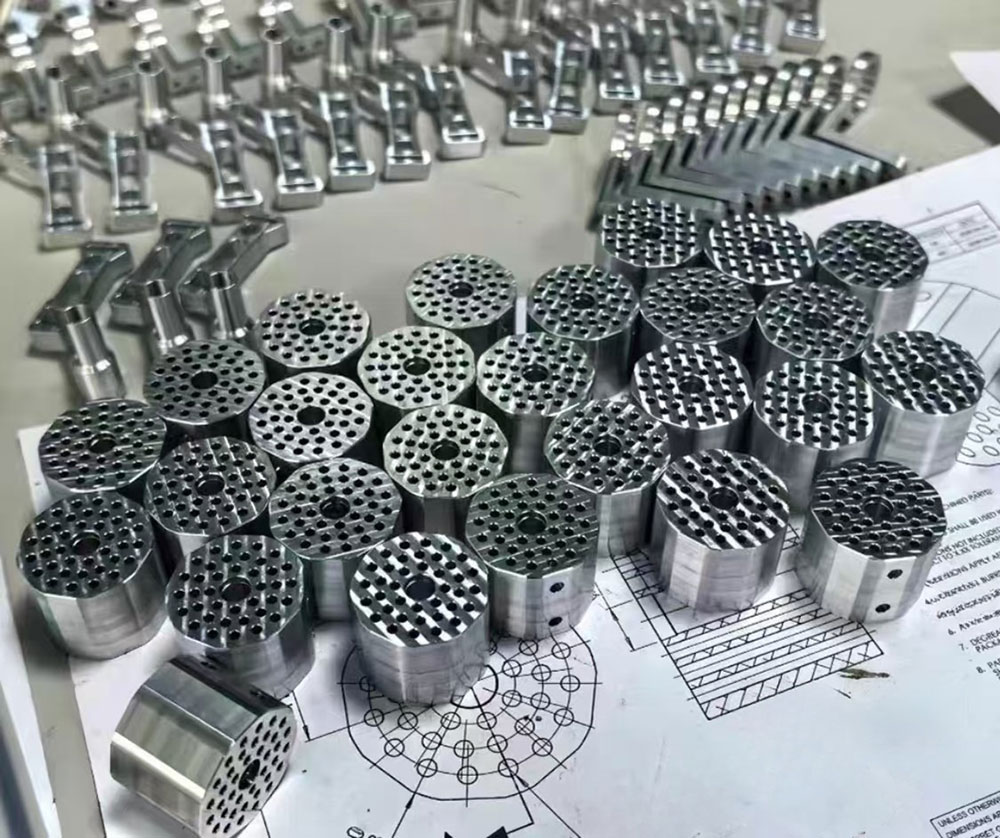
DFM: Connecting Design with Manufacturing
The most successful products are rarely designed in isolation from manufacturing. They are developed with manufacturability in mind from the beginning.
Design for Manufacturability, commonly known as DFM, helps engineers evaluate whether a component can be produced efficiently and consistently before manufacturing begins. It considers factors such as material selection, geometry, tolerances, machining access, workholding, tooling, surface finish, assembly requirements, and production volume.
The purpose of DFM is not to restrict creativity. In fact, effective DFM can give engineers greater freedom because it helps them understand which design features create real value and which may create unnecessary manufacturing complexity.
For example, a very tight tolerance may be essential for a critical interface but unnecessary for a non-functional surface. A complex internal feature may be required for performance, while another feature may exist only because of an earlier design assumption. A small change in geometry could eliminate an additional machining setup or make it possible to use a more efficient cutting tool. These decisions can have a significant impact on production cost and lead time.
DFM also helps prevent problems before they reach the production floor. Instead of discovering that a component is difficult to machine after material has already been purchased and programming has already been completed, engineers and manufacturers can identify the issue during the design review. The result may be a small geometry adjustment, a different machining strategy, a modified tolerance, or a change in material. Preventing a problem is almost always more efficient than correcting it after production begins.
CNC Machining Is Process Engineering
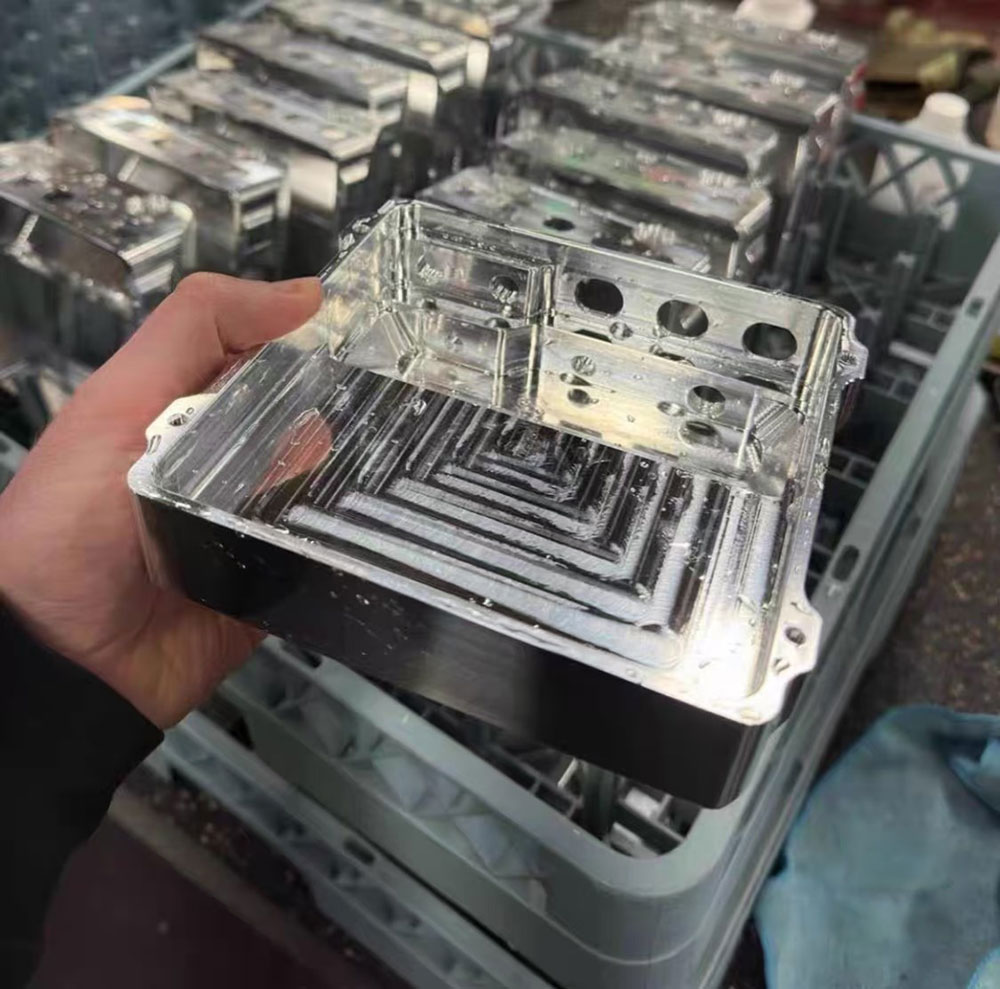
One of the most interesting aspects of custom CNC machining is that it is never simply about pressing “cycle start.” The cutting process itself is only one part of the job. Before the machine begins producing chips, a complete manufacturing strategy needs to be developed. The drawing must be reviewed. Material needs to be confirmed. Critical dimensions and tolerances need to be understood. The appropriate machine needs to be selected. Workholding and fixtures must be considered. Tooling must be chosen. Machining operations need to be sequenced. Toolpaths must be programmed and optimized. Inspection requirements need to be established.
Every decision influences the final result. A complex component may require several setups, but a well-designed fixture or workholding strategy could reduce those setups significantly. Fewer setups can mean shorter cycle times, fewer opportunities for positioning errors, and improved consistency. Similarly, selecting the right cutting tool and machining strategy can improve tool life, surface quality, material removal rates, and production efficiency. This is why custom CNC machining is fundamentally a process-engineering discipline.
Every part presents a different combination of geometry, material, tolerance, application, and production volume. There is rarely one universal manufacturing method that works equally well for every project. The best solution comes from understanding the complete process and optimizing the individual steps around the requirements of the component.
Sometimes the challenge is achieving a difficult tolerance. Sometimes it is machining a deep feature while maintaining tool stability. Sometimes it is preventing deformation in a thin-walled component. In another project, the priority may be reducing cycle time or eliminating unnecessary setups. A small manufacturing decision can create a significant difference in the final result.
Quality Must Be Built into the Process
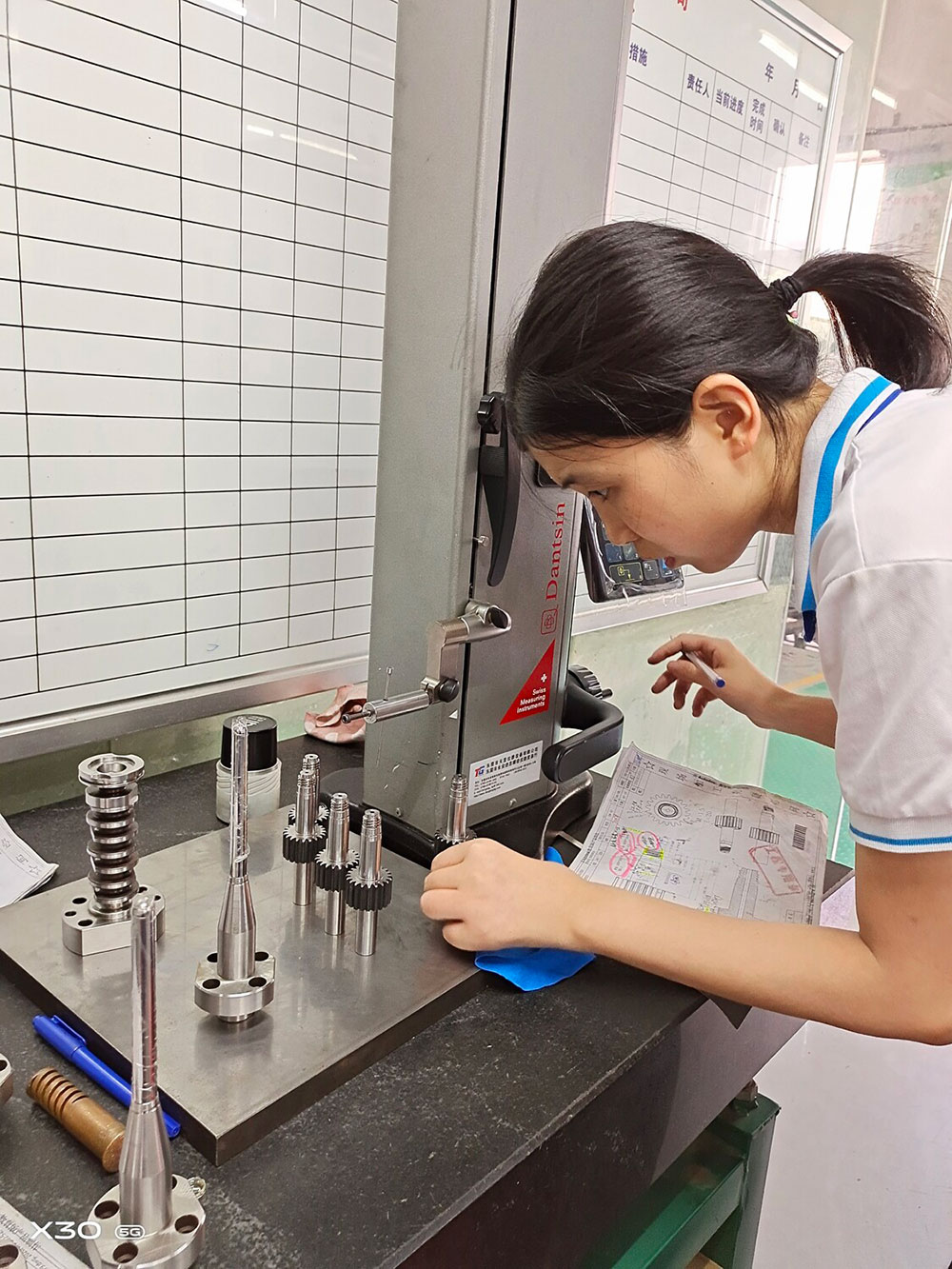
Precision cannot be added at the end of manufacturing. It needs to be controlled throughout the process. This begins with understanding the customer's requirements and translating them into clear manufacturing and inspection criteria. During machining, critical dimensions can be monitored through appropriate in-process inspection. If a deviation begins to develop, corrective action can be taken before it affects a large quantity of parts.
Final inspection then provides another level of verification. Depending on the application and customer requirements, manufacturers may use sampling inspection, 100% inspection, dimensional measurement, surface-finish verification, or other appropriate quality-control methods.
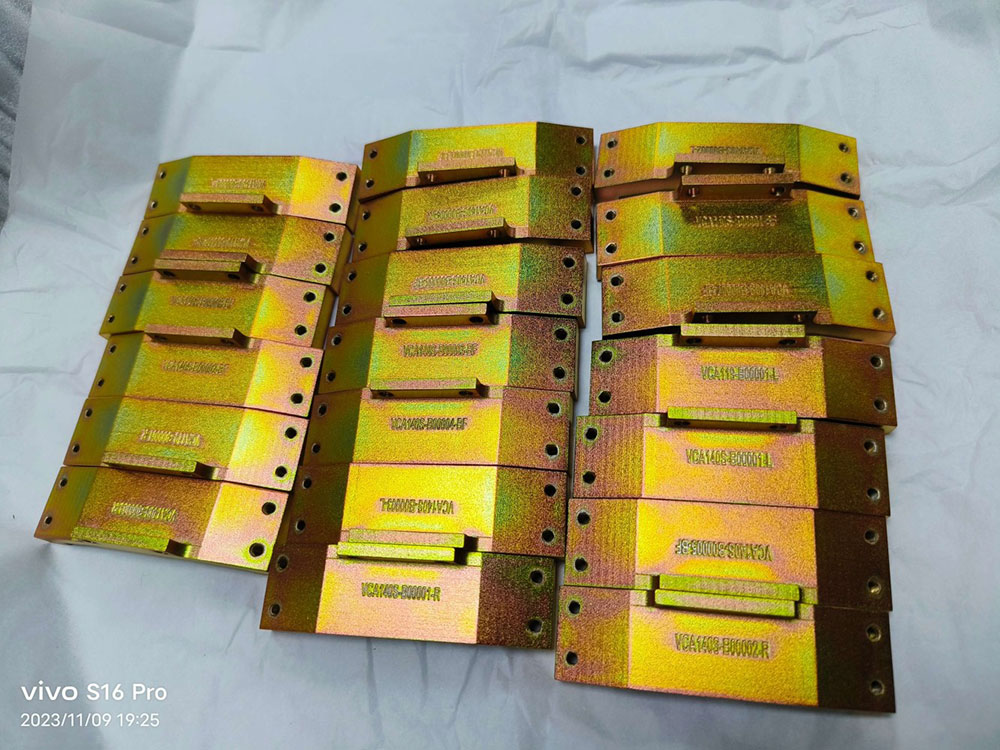
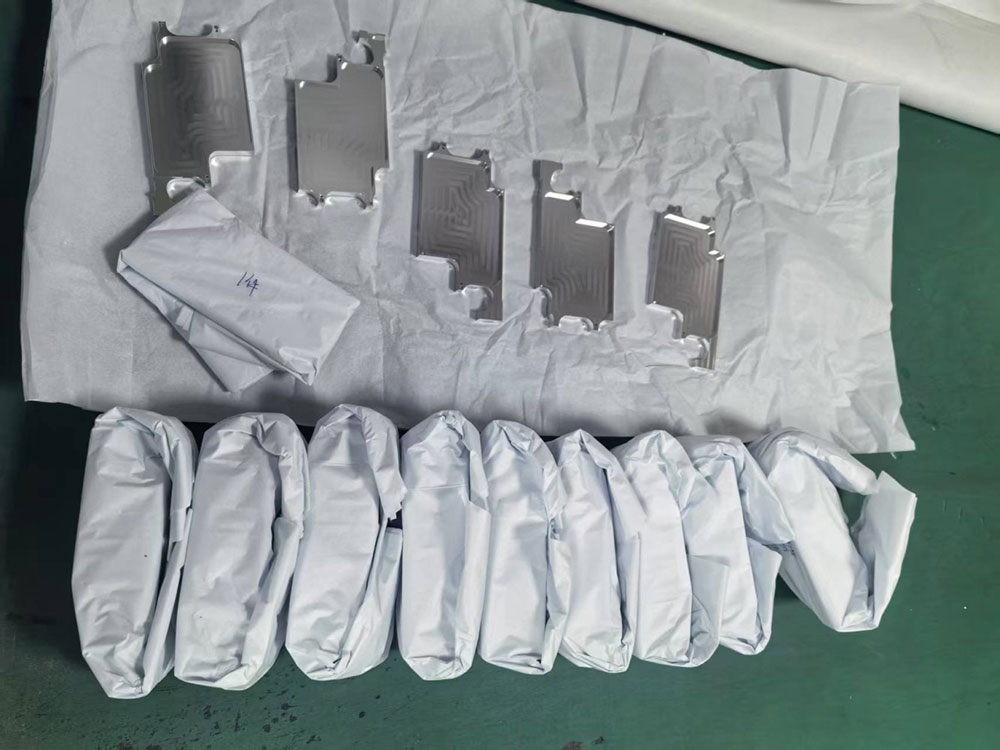
But quality is more than dimensional accuracy. The finished component may also require surface treatment, cleaning, marking, assembly, protective packaging, and specific delivery requirements. A part that meets the drawing but arrives damaged because of inadequate packaging is not a successful manufacturing result. Likewise, a component with excellent dimensions but an unsuitable surface finish may still fail to meet the application's requirements.
For this reason, quality should be considered from the beginning of the manufacturing process through final delivery. A reliable custom manufacturing partner should therefore think beyond the machine. Quality is the result of a controlled process involving engineering, machining, inspection, finishing, handling, packaging, and communication.
From One Part to Production at Scale
Another major advantage of custom manufacturing is that it does not have to end with prototyping. A company may begin with one component, then require ten, one hundred, or one thousand as the product develops. A capable manufacturing partner should be able to support that progression while continuously improving the process.
The manufacturing strategy for one prototype may be different from the strategy used for a production batch. During prototyping, flexibility and speed may be the priority. As volume increases, cycle time, fixture efficiency, tooling life, repeatability, and process stability become increasingly important. This transition is where process optimization becomes particularly valuable.
A manufacturing process that works well for five parts may not be the most efficient solution for five hundred. As production volume grows, manufacturers can optimize fixtures, reduce setups, improve toolpaths, introduce more efficient tooling, standardize inspection methods, and improve workflow. The objective is not simply to make more parts. It is to make more parts consistently and economically.
This creates a natural production path:
Concept → Prototype → Testing → Design Improvement → Small Batch → Process Optimization → Scaled Production
The importance of this model is that companies do not have to predict everything at the beginning. They can make decisions based on actual results and gradually increase their level of investment as the product becomes more mature.
Custom Manufacturing as a Competitive Advantage
In a highly competitive market, manufacturing can no longer be viewed simply as a function that follows product design. It can become part of the company's innovation strategy.
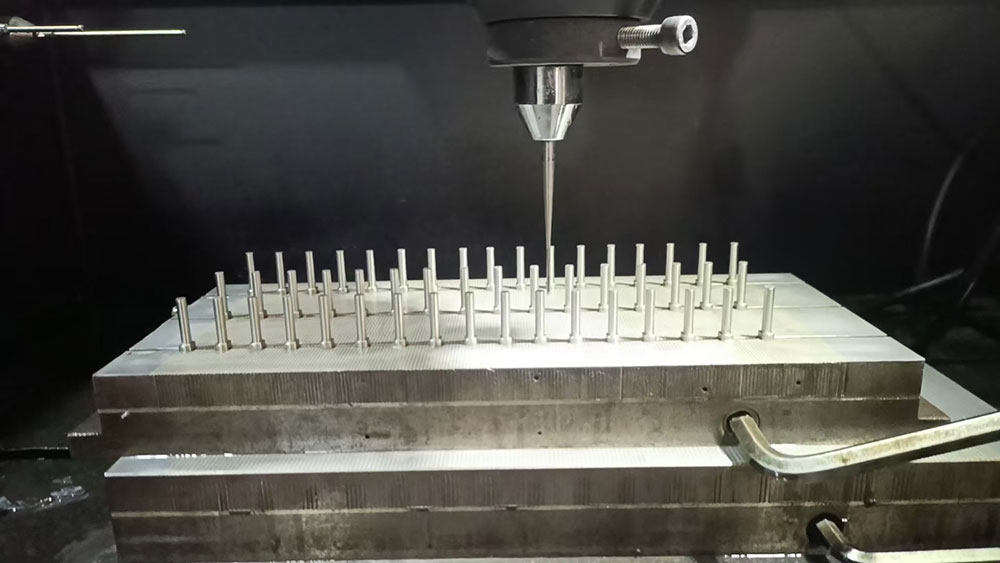
Custom manufacturing allows companies to create products that are specifically optimized for their applications rather than being limited to standard components. It can support unique geometries, specialized interfaces, lightweight structures, integrated features, customized assemblies, and application-specific solutions.
This can create advantages in several areas. A custom component may reduce the weight of an assembly. A redesigned part may simplify installation. A precision-machined interface may improve reliability. A consolidated component may reduce the number of parts required in an assembly. A better fixture may reduce production cost. A faster prototype cycle may allow a company to reach the market before competitors.
These benefits demonstrate why the value of custom manufacturing extends far beyond the individual part. The real value is the freedom it provides companies to solve problems in their own way. Instead of asking, “What standard component can we buy?” engineers can ask, “What is the best component for this application, and how can we manufacture it effectively?” That change in thinking can lead to better products.
The Right Manufacturing Partner Matters
Technology alone does not guarantee manufacturing success. A modern CNC machine is powerful, but the machine still depends on engineering decisions, process planning, programming, workholding, inspection, and experienced people. This is why choosing the right manufacturing partner matters.
A strong partner does more than accept drawings and return finished parts. They communicate during the pre-production phase, ask questions when requirements are unclear, identify potential manufacturing risks, and suggest practical improvements. When problems arise during machining, they communicate quickly rather than allowing an issue to continue through production. This type of cooperation becomes especially important when products are new, complex, or still evolving.
The best manufacturing relationships are built around shared objectives: achieving the required quality, controlling cost, reducing lead time, and helping the product succeed. Manufacturing becomes a collaborative engineering activity rather than a simple transaction between buyer and supplier.
For companies developing new products, this relationship can create significant long-term value. A manufacturing partner who understands the company's products and processes can contribute knowledge from one project to the next. Lessons learned during prototyping can improve future designs. Manufacturing data can inform engineering decisions. Process improvements can be carried into subsequent production runs. Over time, manufacturing capability becomes part of the company's broader product-development capability.
Manufacturing Freedom Enables Innovation
Ultimately, the greatest value of custom manufacturing is not simply that it can produce parts that are unavailable from a catalog. Its real value is the freedom it gives companies to experiment, improve, adapt, and scale. A company does not always need to begin with a large production order. It may begin with an idea. Then a drawing, then one prototype, feedback and improvement. Demand increases, and production scales. At every stage, manufacturing supports the next decision. This approach creates a faster and more controlled path from innovation to commercialization. It allows companies to take calculated risks rather than unnecessary ones. It gives engineers the freedom to explore new ideas while maintaining a practical path toward production. It helps businesses respond to market changes without rebuilding their entire manufacturing strategy.
That is why custom manufacturing, CNC machining, prototyping, DFM, and process engineering are increasingly interconnected. They are not separate activities. Together, they create a manufacturing system capable of turning ideas into reliable products and reliable products into scalable businesses. The future of manufacturing will not belong only to companies with the most advanced machines or the most ambitious designs. It will belong to companies that can connect innovation, manufacturability, quality, speed, and cost more effectively than their competitors. And that is where a capable custom manufacturing partner can make a real difference.
You do not always need to start big. Sometimes, you just need a good idea, a drawing, and the right manufacturing partner to turn that idea into something real—and then help it become better, more reliable, and ready for the market.



 sophia@alcrocn.com
 +86 15338350382
 6th North Street, Xiagang Community, Chang'an Town, Dongguan City, Guangdong Province, China.
